
Canine Bowen
About Canine Bowen Technique
The Canine Bowen Technique (CBT) is a gentle, non-invasive approach to supporting a dog’s overall comfort and wellbeing. The adaptation of this work for dogs began in 2001 in the UK, developed by Bowen therapists and dog behaviour specialists Sally and Ron Askew. They initially explored the technique with their own dogs and, in collaboration with local veterinarians, incorporated what they learned into behavioural and rehabilitation settings.
Sarah is a member of the Canine Bowen Technique Association (CBTA) and follows its core philosophy, which includes:
Building trust to help each dog get the most from their session
Never forcing a session on a dog against their wishes
Honouring a holistic, whole-dog approach
Working collaboratively with veterinary professionals
Recognising that dogs are a distinct species with their own needs and ways of communicating
At the heart of this approach is respect, choice, and partnership — each dog is encouraged to participate at their own pace.
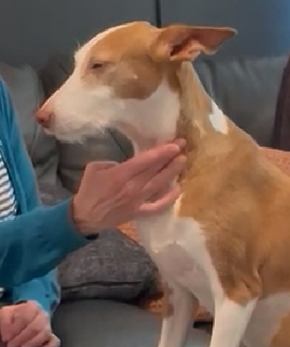
How Canine Bowen May Benefit Your Dog
The Canine Bowen Technique works with the body as a whole rather than focusing on specific symptoms. Using light, targeted touch and allowing periods of rest, the work encourages the dog’s natural ability to relax, rebalance, and restore ease of movement. Because of this, CBT may be suitable for dogs of all ages — from puppies to seniors — and for a wide range of lifestyles, from family pets to working or sport-active dogs.
While CBT is not a substitute for veterinary care, people commonly seek it to support:
General wellbeing, relaxation, and comfort
Ease of movement
Age-related changes
Recovery alongside veterinary treatment
Stressful or anxious behaviours
Maintaining comfort in active or sporting dogs
Many caregivers also notice changes in how their dog copes with everyday stressors. Because body and mind influence each other, creating calm in the body may help support emotional balance.
Where appropriate, guidance on recognising stress and supporting relaxation at home can be offered.
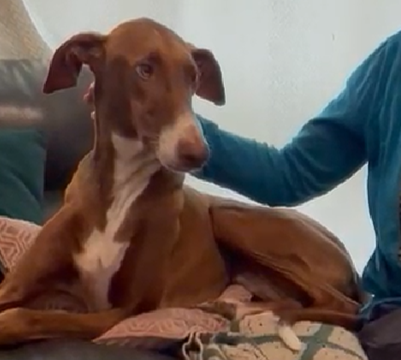
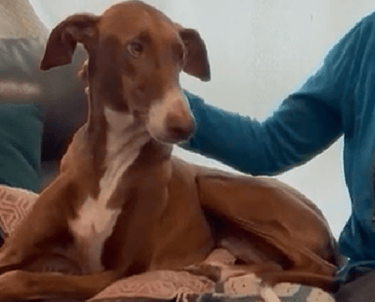
Reasons People Seek Canine Bowen
People may explore CBT for a wide range of situations. Below are common reasons caregivers choose to bring their dog, understanding that CBT does not diagnose or treat medical conditions:
General stiffness or reduced mobility
Comfort during ageing
Recovery support alongside veterinary guidance
Maintaining comfort for working, sporting, or active dogs
Muscular tension or changes to gait
Emotional stress, worry, or behavioural changes
Recurring discomfort such as ear or skin irritation
Post-operative recovery support (with vet consent)
Support for dogs living with chronic or degenerative conditions
If your dog has a veterinary diagnosis, CBT may be used as a complementary approach under your vet’s supervision.
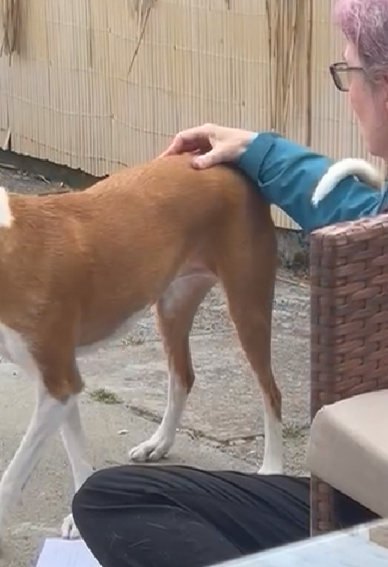
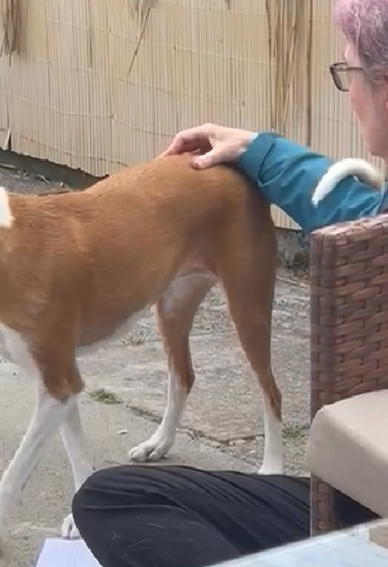
What to Expect in a Session
CBT practitioners work only with veterinary consent.
Before your first appointment, your vet will be asked to complete a short referral/consent form. You’ll also be invited to complete a questionnaire to help build a picture of your dog’s lifestyle, personality, and general wellbeing.
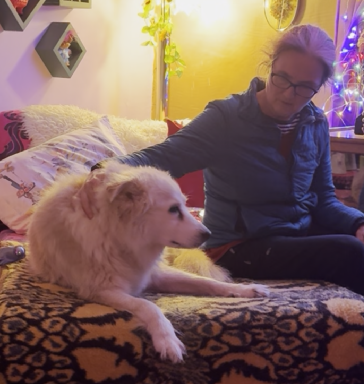
Consent is key
Dogs are never restrained . They are free to move, take breaks, or decline contact. Some dogs may take time to settle or feel comfortable; this is respected at every stage.
If your dog is unable to travel, home visits may be arranged.
A session lasts up to an hour and may include:
Observation of posture, gait, and movement
Discussion about your dog’s history and experiences
Up to around 20 minutes of hands-on work (timing varies depending on your dog)
"" I just wanted to thank you for the work you did on her because I knew it made her feel lovely and relaxed . Thank you so much for giving that special gift to her." Lou
Clinic:
Elvanfoot: Mobile: 07722636928
Email: wigglebowen@gmail.com
www.wigglebowen.co.uk


Image designed by Freepik (www.freepik.com).