
Human Bowen
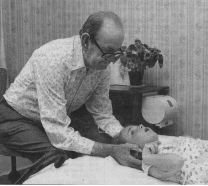
Tom Bowen
Tom Bowen (1916–1982) was an Australian therapist whose curiosity and natural talent laid the foundation for what is now known as Bowen Therapy.
Although he had no formal medical training, Tom had an exceptional ability to observe how the body moved and responded. He developed his own unique way of working with soft tissue — gentle, rolling movements over key points — and refined this approach over many years.
Tom began by helping friends and family, and word of his skill spread quickly. By the 1970s, he was seeing thousands of people every year in his clinic in Geelong, Victoria. Remarkably, he is said to have treated many of them free of charge. His charitable work was an important part of his life — he devoted much of his time to supporting children with disabilities and local community organisations.
People who saw him describe a humble, intuitive man who simply wanted to help others. He quietly taught a small group of men how to carry on his work, ensuring that his approach would continue after his lifetime.
Today, his method forms the basis of modern Bowen Therapy, practised around the world. While the technique has continued to evolve through training and research, its roots remain in Tom Bowen’s simple belief that gentle touch can support the body’s natural ability to find balance.
What is the Bowen Technique?
The Bowen Technique is a gentle, hands-on complementary therapy that works with the body’s soft tissues. It uses a series of light, rolling movements over muscles, tendons, ligaments and fascia. These movements are carried out at specific points on the body, with brief pauses to allow time for the body to process and respond.
Because the work is subtle and uses minimal pressure, Bowen Therapy is suitable for people of all ages and physical abilities. Clients often describe feeling relaxed, balanced and more comfortable after a session, and some notice continued changes in the days that follow.
Bowen Therapy is holistic in nature, working with the body as an interconnected system rather than focusing on a single symptom.
It is a complementary approach and does not diagnose or replace medical care. If you have concerns about a health condition, please contact your GP or another healthcare professional.
What to Expect in a Session
A Bowen Therapy session is gentle, calm and designed to support your body’s natural ability to rebalance.
Before we begin
I’ll start by taking a brief history and discussing your general health, any areas of discomfort, and what you’re hoping to gain from the session. This helps ensure your treatment is tailored to you.
Clothing
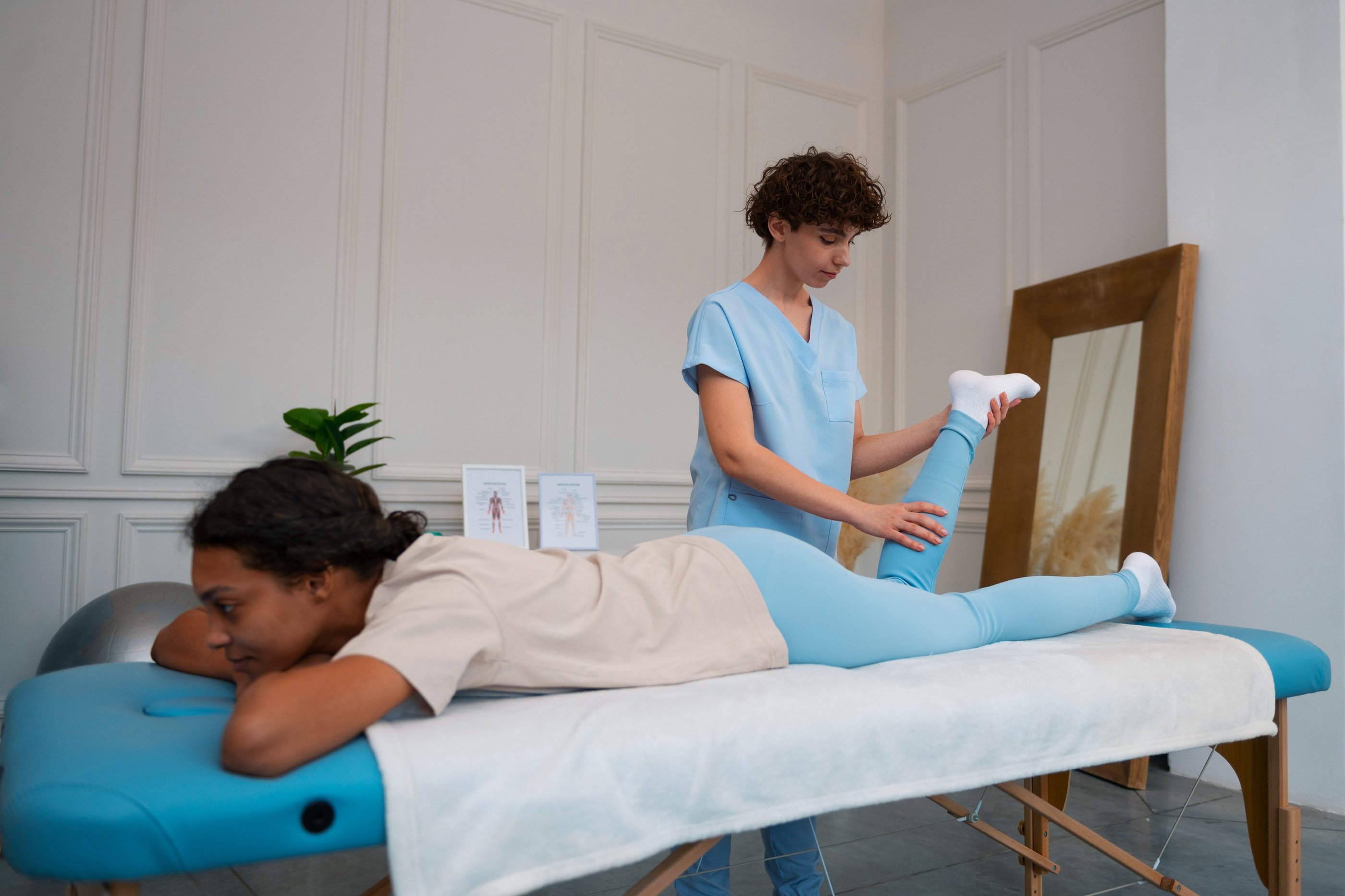
Bowen is carried out through light clothing.
Please wear something loose and comfortable — for example:
T-shirt
Leggings or shorts
I do not work directly on the skin except occasionally on the arms or feet where appropriate. Thick or restrictive fabrics (e.g. jeans) make the work harder to access, so lighter clothing is ideal.
During the session
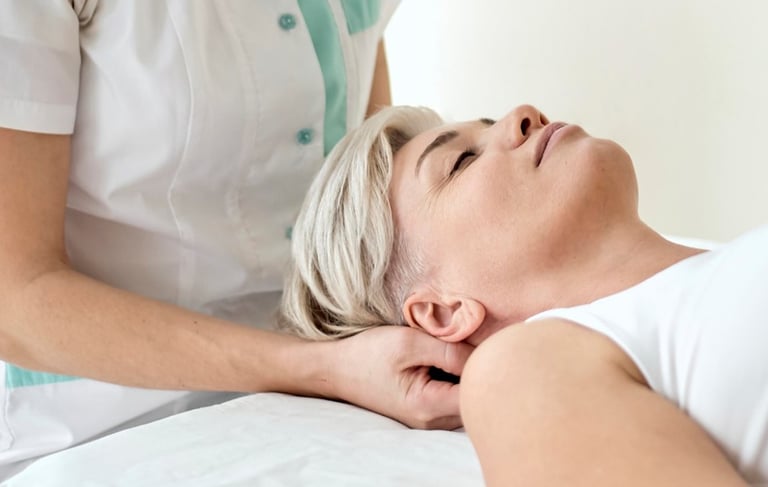
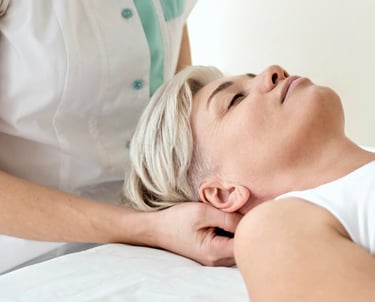
You will usually lie on a comfortable treatment couch, although you may remain seated if that suits you better.
Gentle rolling movements are applied over muscles, tendons and soft tissue. The work is subtle and is not forceful or manipulative. There are pauses between sets of moves, and these may be of varying lengths to allow your body time to process and respond.
Most people find the experience deeply relaxing.
After the session
You may notice changes during the session or over the following days as your body continues to adjust. People commonly report feeling more relaxed, balanced and aware of their body after treatment.
To get the most from your session, I recommend:
staying well-hydrated
gentle movement such as regular walking
avoiding strenuous exercise for a short period
It is best not to receive other complementary therapies afterwards, as this may interfere with the body’s response.
The only exceptions generally considered compatible are homeopathy and Bach Flower Remedies.
For the best response, it is often recommended to start with three sessions within around ten days of each other. After this, some people choose occasional sessions (for example monthly) to maintain a sense of balance and wellbeing — though this varies from person to person.
Bowen Therapy is a complementary approach and does not diagnose or replace medical care. If you have concerns about your health, please consult your GP or another healthcare professional.
Clinic:
Elvanfoot: Mobile: 07722636928
Email: wigglebowen@gmail.com
www.wigglebowen.co.uk


Image designed by Freepik (www.freepik.com).